We analyze performance data, reliability reports, and real-world testing to rank the best kitchen and laundry appliances. No sponsorships, no bias — just honest recommendations.
After analyzing hundreds of models across five categories, these are the absolute best appliances you can buy right now. Each one delivers exceptional performance, reliability, and value.
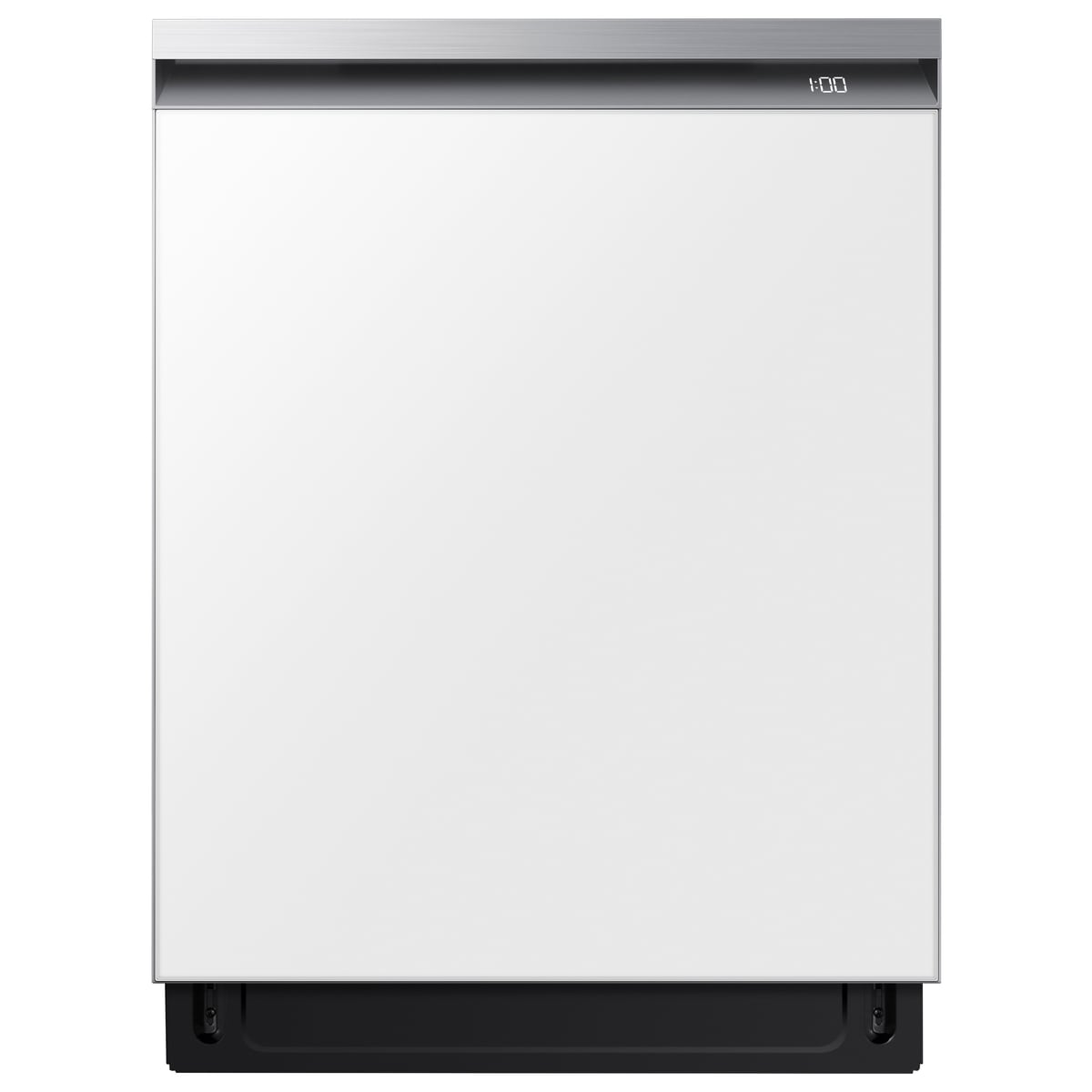
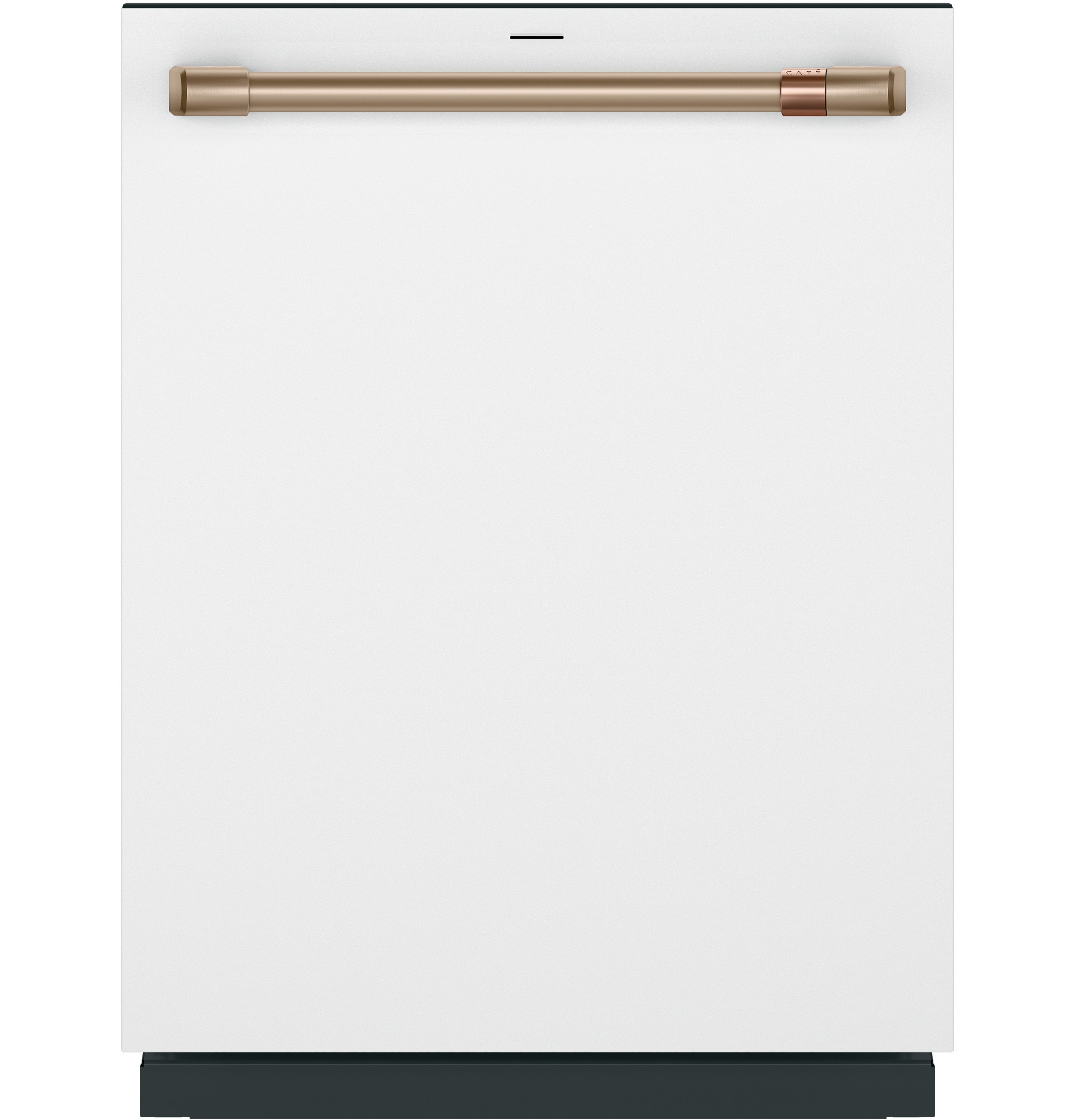
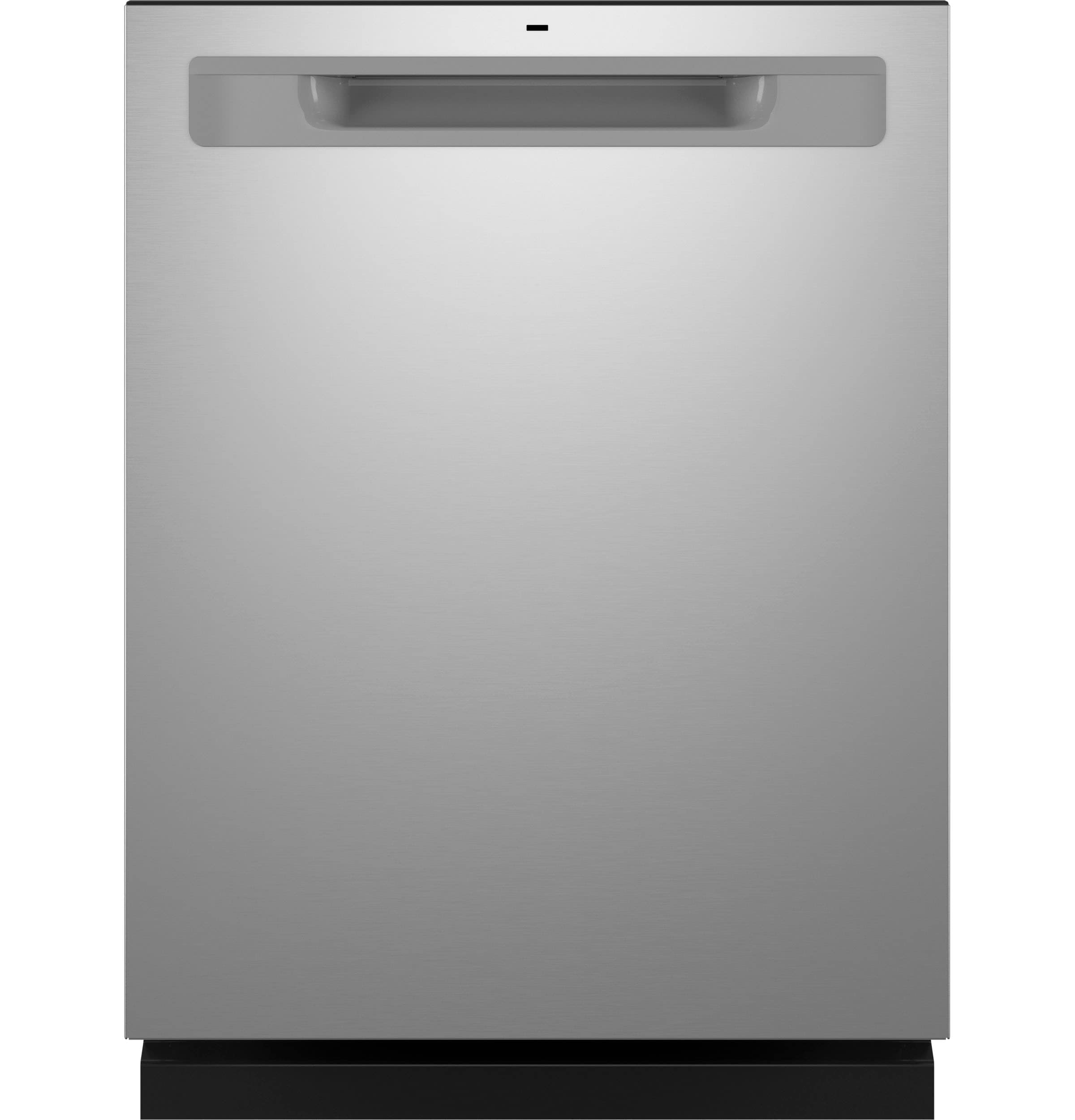
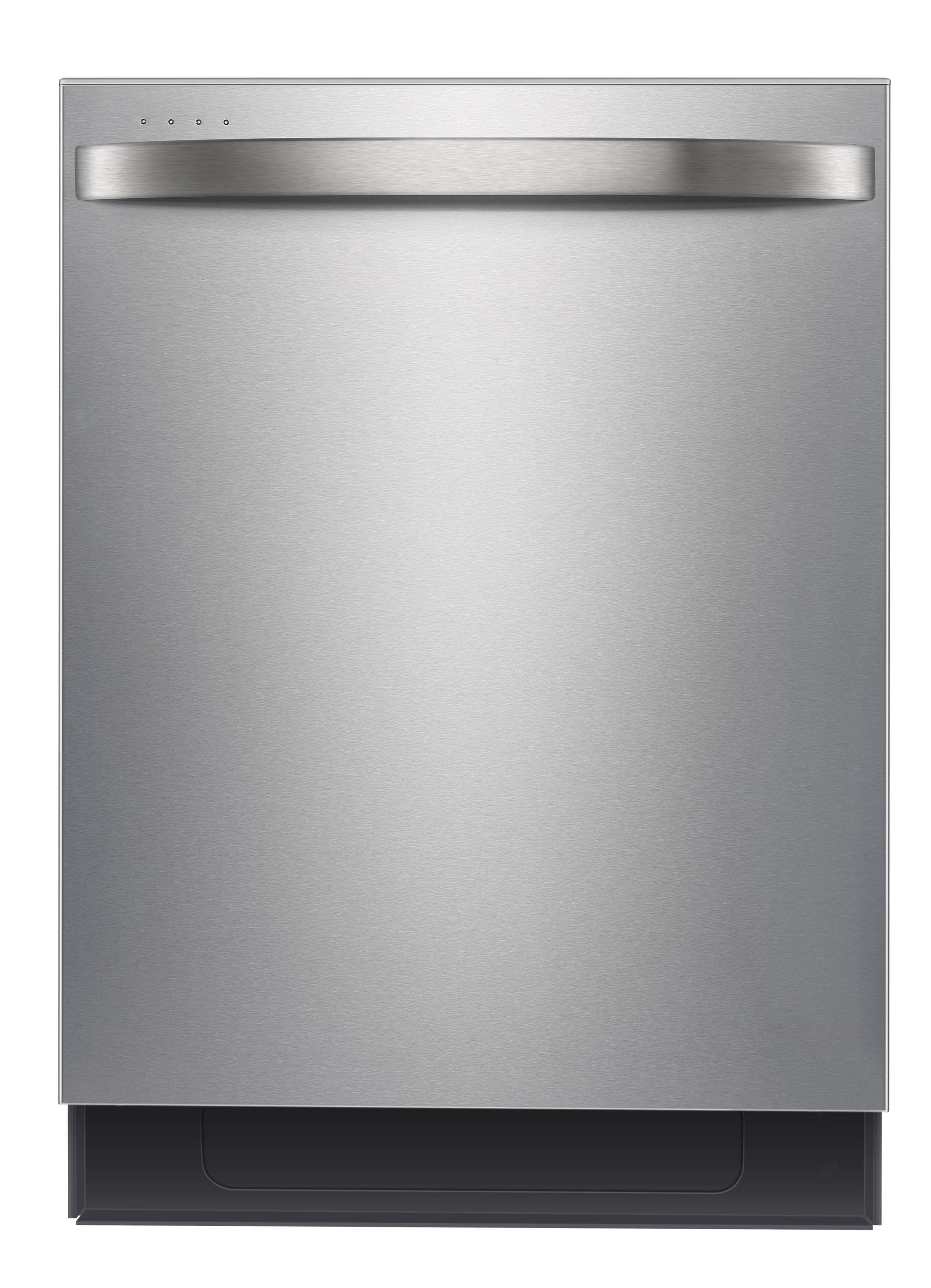
Exceptional cleaning performance, whisper-quiet 44 dBA operation, and CrystalDry technology that actually dries plastics. The third rack is perfect for utensils and small items. This is the dishwasher we recommend to friends and family without hesitation.
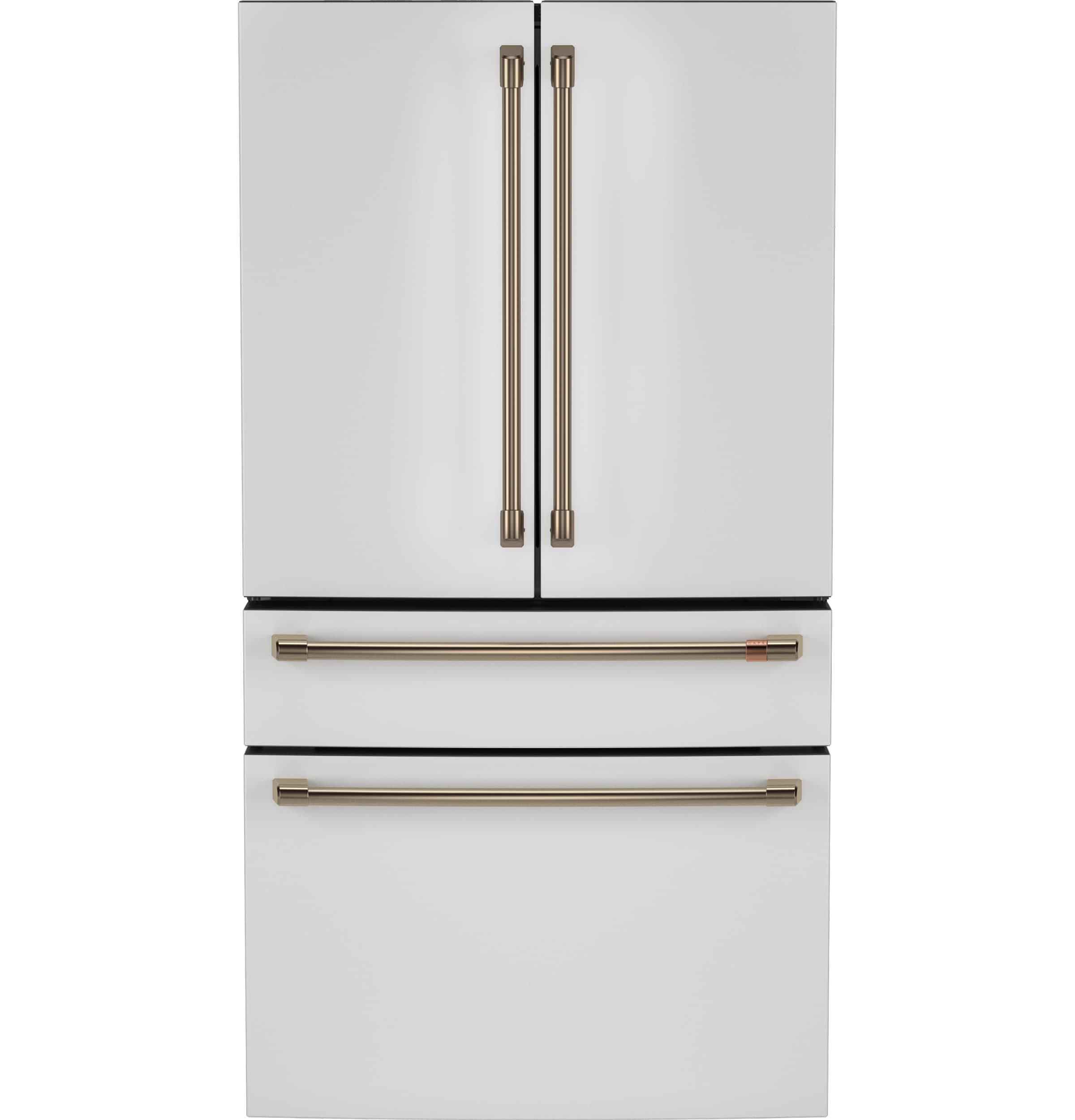
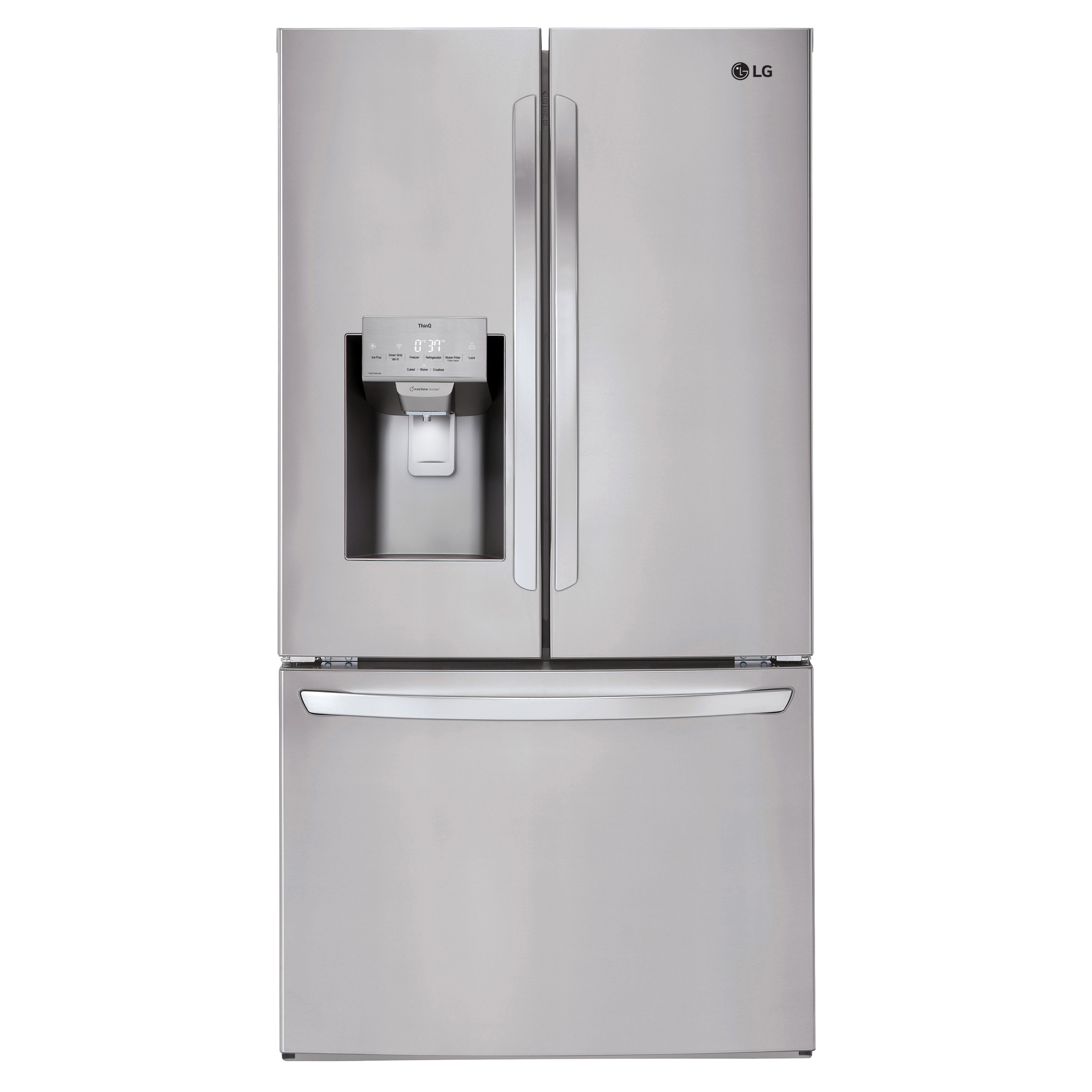
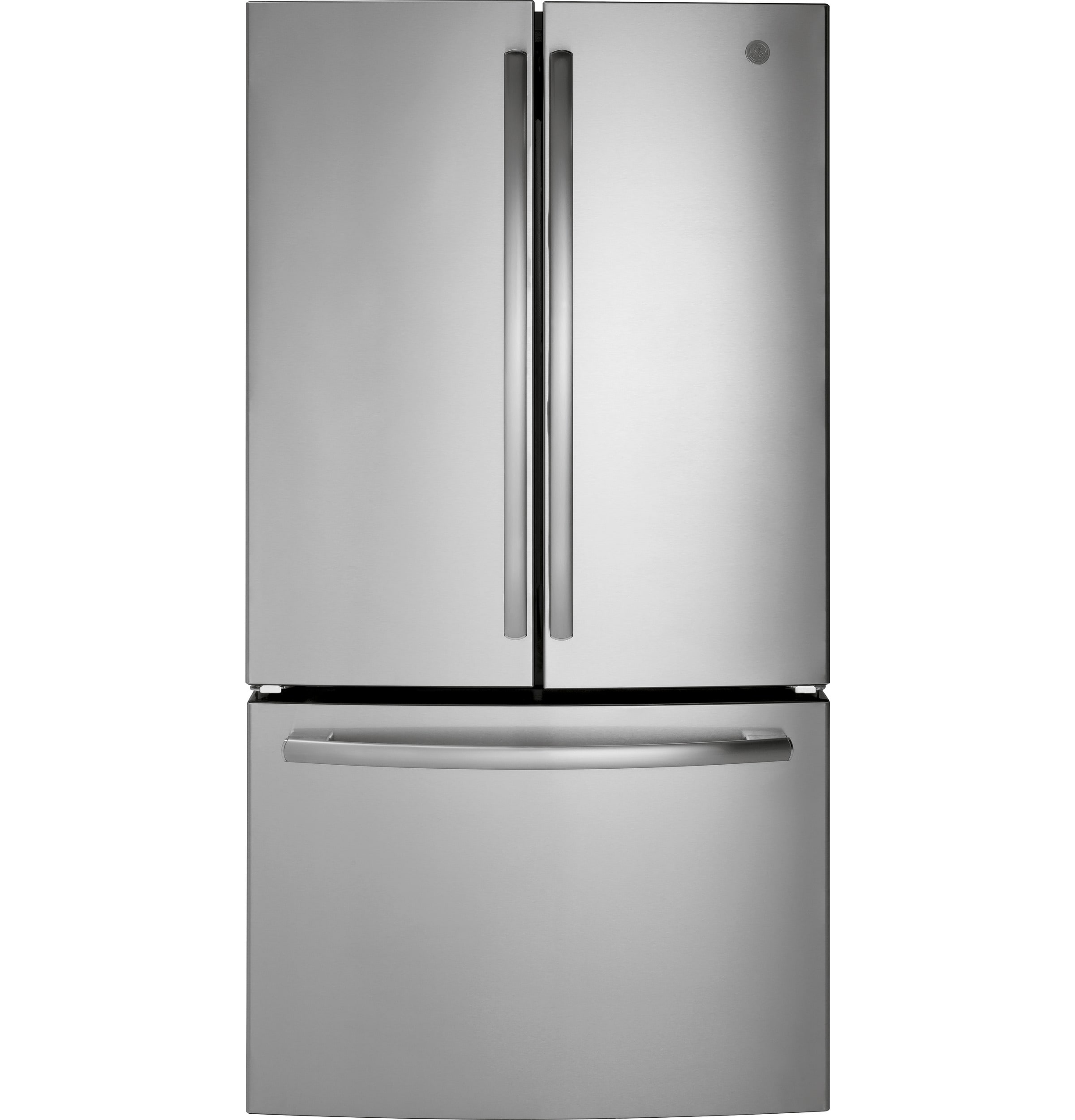
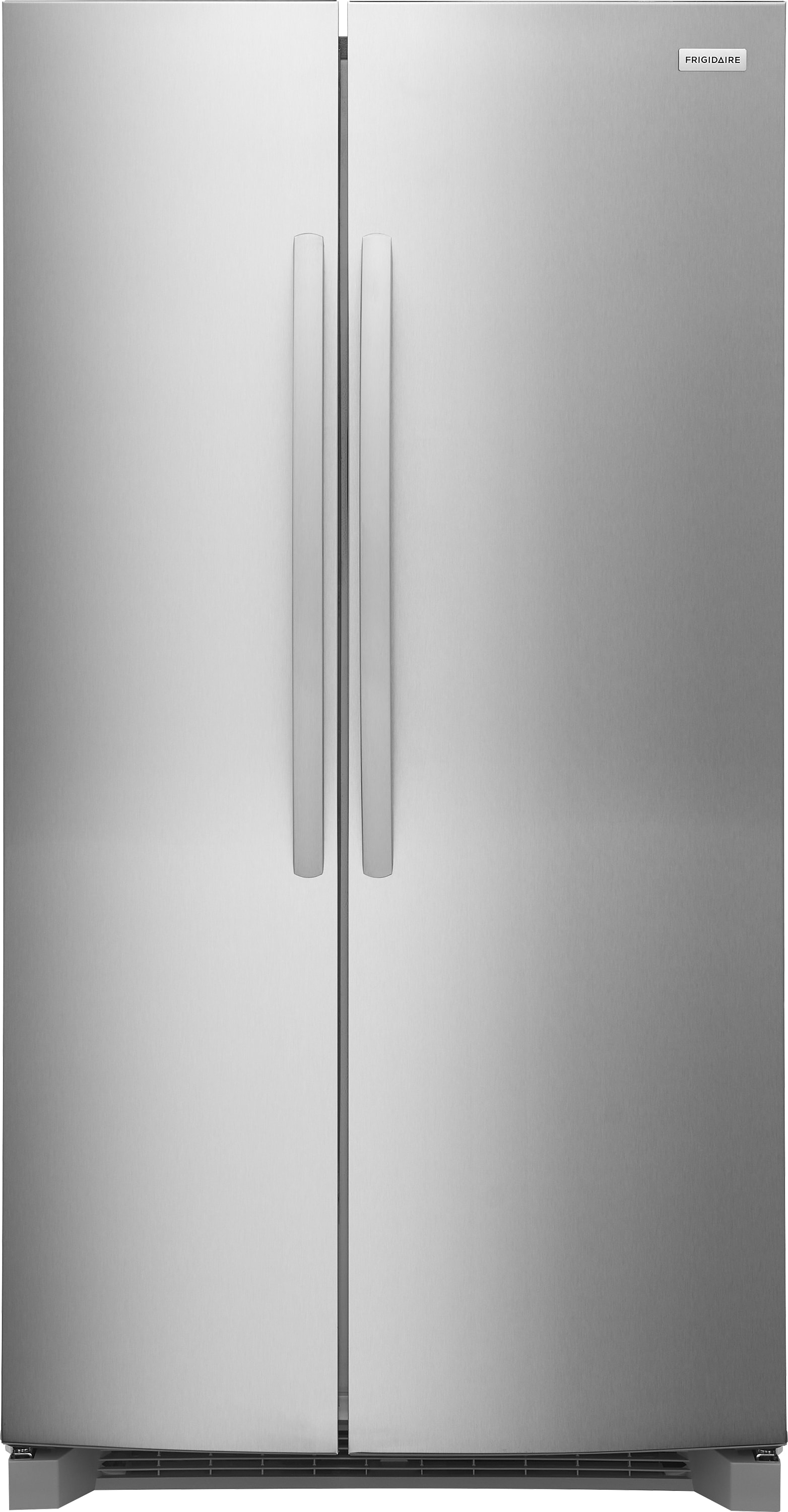
InstaView Door-in-Door lets you see inside without opening, reducing cold air loss. Craft Ice makes perfect spheres for cocktails, and dual ice makers mean you'll never run out. WiFi connectivity and smart diagnostics make this the most feature-rich fridge we've tested.
AI DD fabric detection automatically adjusts wash motions for different fabrics. TurboWash 360 cleans a full load in under 30 minutes, and steam sanitization eliminates 99.9% of bacteria. The 4.5 cu ft capacity handles king-size comforters easily. This washer does it all.
AI DD technology senses fabric texture and adjusts drying patterns for optimal care. TurboSteam refreshes clothes in 10 minutes without washing. FlowSense duct monitoring alerts you when vents need cleaning. Pairs perfectly with the LG washer for a complete laundry solution.
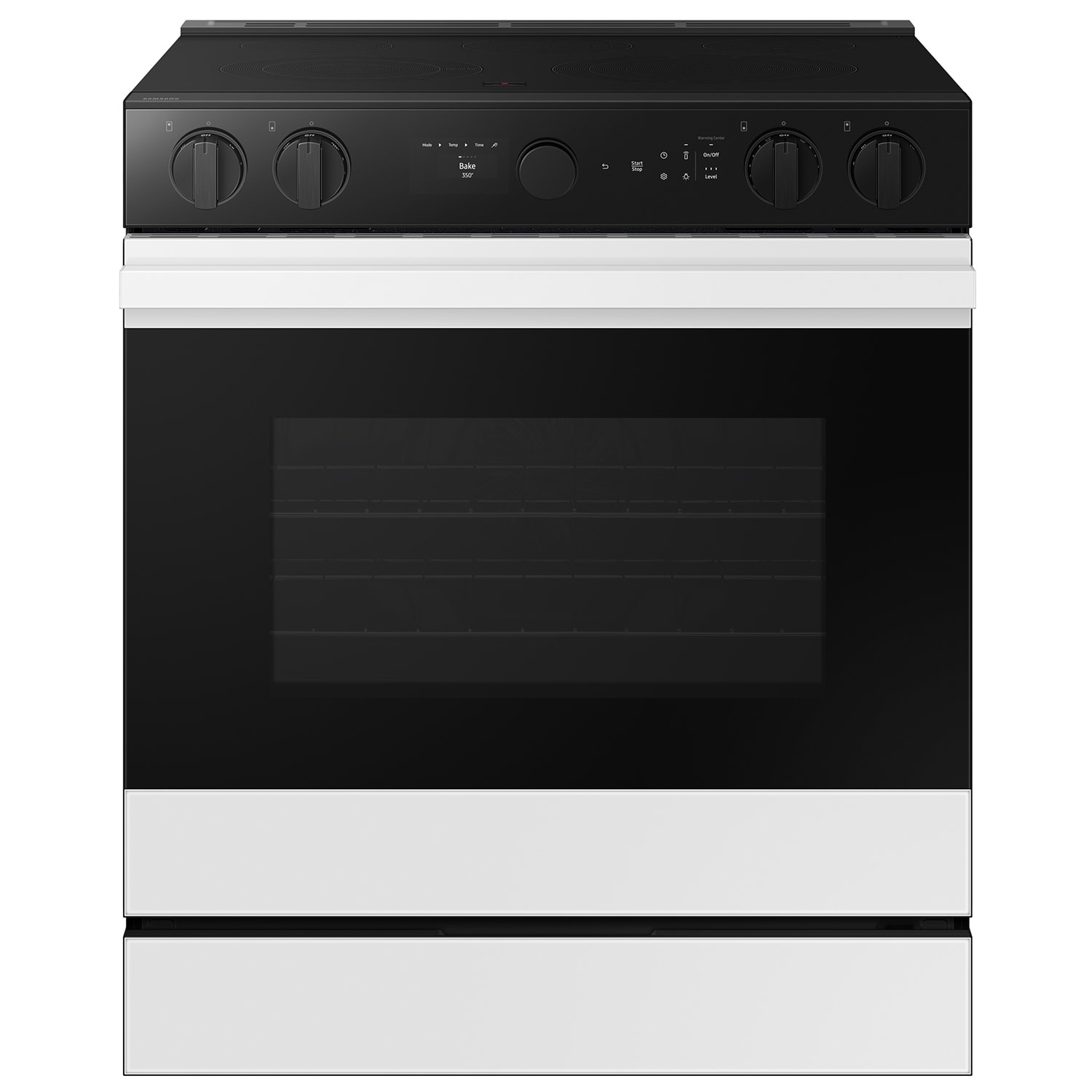
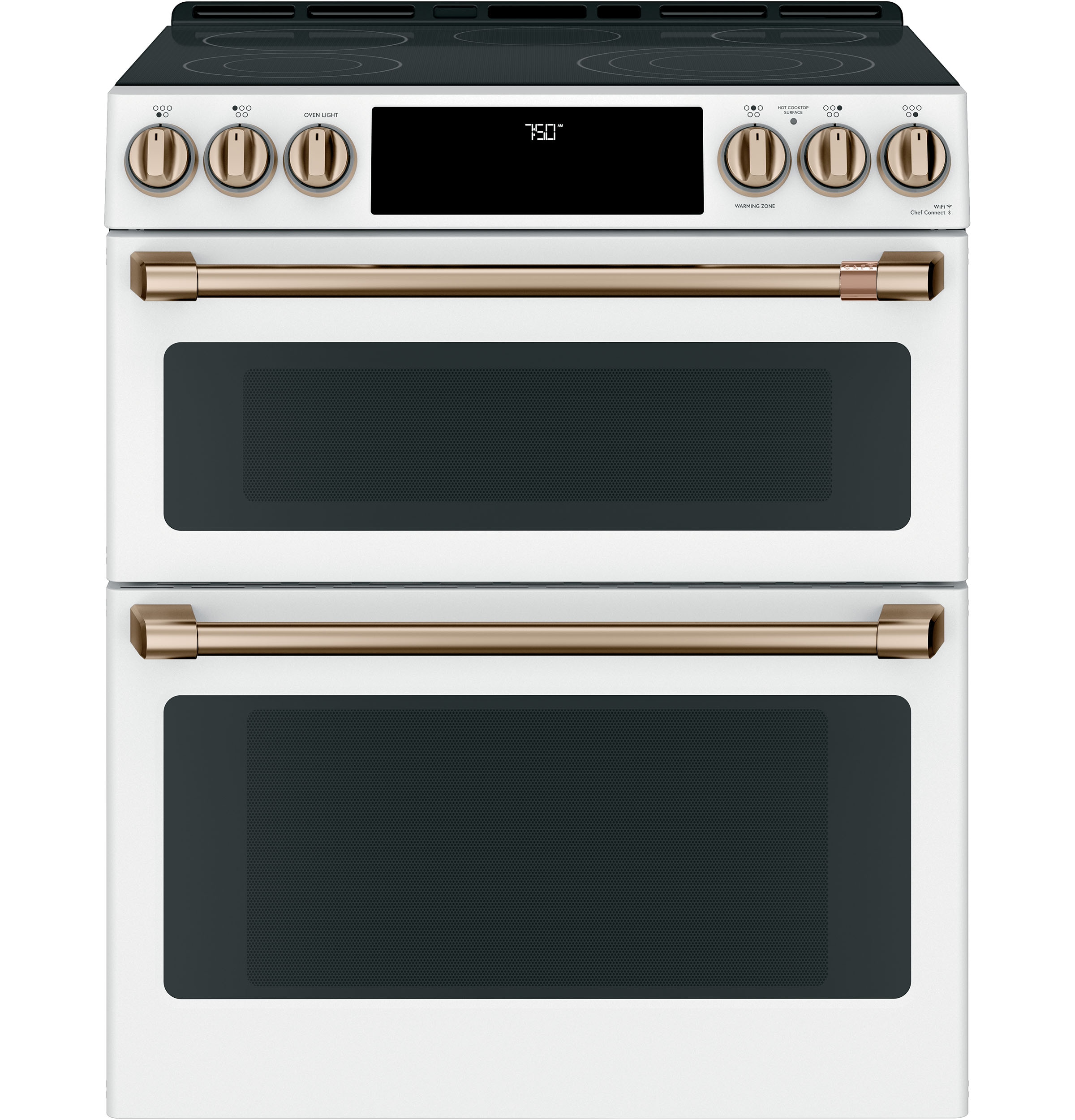
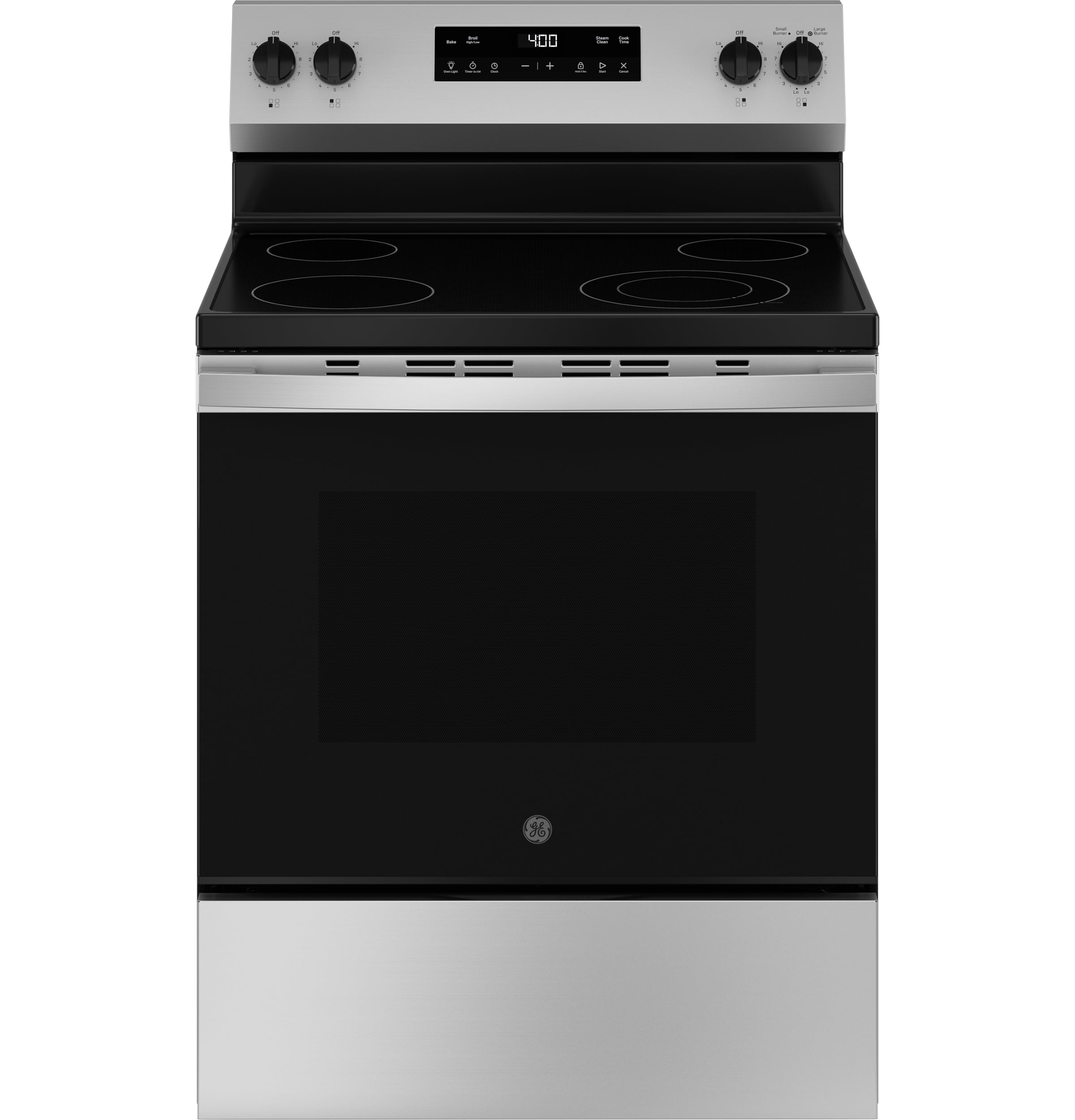
Built-in Air Fry mode eliminates the need for a countertop fryer. Flex Duo divider lets you cook at two temperatures simultaneously — perfect for weeknight meals. WiFi SmartThings integration means you can preheat from your phone. This range does everything a modern kitchen needs.
Shopping for appliances can be overwhelming. Our in-depth guides break down what matters most in each category, from essential features to brand reliability.
Shopping for a new dishwasher? Today's models range from budget-friendly $450 units to premium $1,500+ machines with features like CrystalDry technology and third racks. The most important factors are cleaning performance, noise levels (measured in dBA), drying effectiveness, and long-term reliability.
In our rankings, Bosch dominates the top spots with exceptional build quality and the quietest operation in the industry, while brands like Whirlpool and Maytag offer the best value. Our top pick, the Bosch 500 Series, delivers premium performance at a mid-range price.
Budget models ($450-$650) often struggle with drying and run louder than 50 dBA — fine for households that run cycles overnight. Mid-range ($700-$1,000) is the sweet spot for most buyers. Premium models add luxury features like bottle wash jets, smart connectivity, and near-silent operation.
Read Full RankingsRefrigerator shopping is tricky — prices range from $700 for basic top-freezer models to $4,000+ for luxury French-door units with smart screens and dual ice makers. Style matters: French-door models offer easy access and flexible storage but cost more. Top-freezer units are the most reliable and affordable but less convenient.
Key features to consider: ice maker type (many Samsung models have reliability issues here), adjustable shelving, door-in-door access, WiFi diagnostics, and energy efficiency. LG leads our rankings with InstaView technology and reliable compressors. Whirlpool and GE offer solid mid-range value. Avoid bargain brands with weak warranty coverage.
Counter-depth models sit flush with cabinets for a built-in look but sacrifice 15-20% capacity and cost $500 more. Standard-depth offers better value for most kitchens. French-door models dominate sales but side-by-sides work better for narrow spaces. Our guide covers all configurations from $700 to $3,000.
Read Full RankingsThe great washer debate: front-load or top-load? Front-loaders clean better, use less water, are gentler on fabrics, and extract more moisture (shorter dry times). But they cost $100-$300 more, take longer per cycle, and require diligent cleaning to prevent mold. Top-loaders are faster, simpler, and easier to maintain.
Within top-loaders, agitator models are fastest and cheapest but hard on clothes. Impeller (high-efficiency) models are gentler and use less water but sometimes struggle with heavy loads. LG and Samsung lead in front-load innovation with AI fabric detection and steam features. Speed Queen builds the most durable top-loaders—commercial-grade machines with 25-year tub warranties.
Capacity matters: 4.5+ cu ft handles king comforters. Budget models ($450-$650) lack steam and smart features but clean adequately. Mid-range ($700-$1,000) adds sanitization cycles and better build quality. Premium models ($1,000-$1,500) include AI optimization, allergen cycles, and app connectivity. Our rankings include 10 models across all price points.
Read Full RankingsDryer technology has evolved beyond simple heat and tumble. Today's premium models include moisture sensors (prevent over-drying), steam refresh cycles (dewrinkle without washing), and AI fabric detection. Gas dryers cost $50-$100 more upfront but save on energy long-term if you have gas hookups. Electric models dominate sales due to universal availability.
Heat pump dryers are emerging in the US market—they use 50% less energy than traditional electric but cost significantly more and dry slower. Great for efficiency-focused buyers, not for large families needing quick turnaround. Ventless (condensing) models work in apartments but also dry slower and require more maintenance.
LG and Samsung lead with sensor precision and smart features. Whirlpool and Maytag offer bulletproof reliability at mid-range prices. Speed Queen builds commercial-grade durability but lacks smart features. Our guide ranks models from $600 budget picks to $1,200 premium units with every bell and whistle. Match capacity to your washer for balanced laundry workflow.
Read Full RankingsRange shopping is complicated: gas vs electric, slide-in vs freestanding, single vs double oven, and now air fry vs convection vs both. Gas offers instant control and works during power outages—preferred by serious cooks. Electric (especially smooth-top and induction) is more efficient, easier to clean, and safer with kids. Induction is fastest and most precise but requires magnetic cookware.
Dual-fuel ranges (gas cooktop, electric oven) offer the best of both worlds but cost $2,000+. Most buyers choose all-gas ($600-$1,500) or all-electric ($500-$1,200). Built-in air fry is the hottest feature in 2026—Samsung, LG, and GE models eliminate countertop fryers. Convection (fan-assisted) baking is now standard on mid-range models.
Slide-in ranges look custom with flush-front controls but cost $200-$400 more than freestanding. Double ovens add flexibility for holidays but reduce oven capacity. Smart features (WiFi preheat, recipe guidance) are nice but not essential. Our rankings cover 30" and 36" models across gas, electric, and induction from $600 to $2,500.
Read Full RankingsBrand reliability varies dramatically. Here's how major brands stack up based on repair rates, warranty claims, and long-term durability data. Where you buy matters, but what you buy matters more.
Bosch (dishwashers especially), Whirlpool (laundry and refrigeration), Miele (premium European build), Speed Queen (commercial-grade laundry)
These brands consistently deliver 10-15+ year lifespans with minimal repairs. Bosch dishwashers have the lowest service call rates in the industry. Whirlpool dominates reliability surveys for refrigerators and washers. Speed Queen builds laundry machines that last 25 years but lack smart features.
LG (excellent dishwashers and laundry), KitchenAid (premium Whirlpool division), Maytag (dependable mid-range), Electrolux (European quality)
Solid performers with good warranty support. LG refrigerators have improved significantly after past compressor issues (now 10-year warranties). KitchenAid and Maytag share Whirlpool's reliable platforms. Expect 8-12 year lifespans with proper maintenance.
Samsung (excellent ovens, problematic refrigerators), GE (inconsistent across lines), Frigidaire (budget-focused), Amana (entry-level)
These brands offer competitive features and pricing but have higher repair rates. Samsung refrigerators suffer from ice maker and compressor failures (class-action lawsuits). GE Appliances (now Haier-owned) quality varies by line. Frigidaire and Amana compete on price but sacrifice durability. Extended warranties recommended.
Bottom line: Reliability matters more than features for long-term value. A Bosch dishwasher costs $200 more than a budget brand but lasts twice as long and requires fewer repairs. Check our category guides for brand recommendations specific to dishwashers, refrigerators, washers, dryers, and ovens.
Best months: September-October (new models arrive, old inventory clears at 20-30% off), January (post-holiday clearance), May (Memorial Day sales).
Holiday weekends: Presidents Day, Memorial Day, July 4th, Labor Day, Black Friday. End of month: Sales reps meet quotas—negotiate harder the last week of any month.
Always measure three dimensions: width, depth, and height. Add 1" clearance for sides/back for ventilation. Check doorways and hallways—measure clearance for delivery path.
Refrigerators: Measure from wall to counter edge for depth. Check if doors open 90°. Ranges: Standard 30" or 36" wide. Slide-in models need exact cutout dimensions.
Energy Star certification means the appliance uses 10-50% less energy than standard models. Refrigerators and dishwashers see the biggest savings ($50-$100/year in electricity).
Washers/dryers earn the label through water efficiency and faster spin cycles. Gas dryers can't be Energy Star (gas already efficient). Check for utility rebates—many states offer $50-$150 back for Energy Star purchases.
Usually no. Standard 1-year manufacturer warranties cover early defects. Extended warranties ($100-$300) profit retailers, not buyers. Most appliances either fail in year 1 (covered) or last 10+ years (no claim needed).
Exception: Refrigerators with complex ice makers, Samsung appliances with poor reliability records, or if you're buying the cheapest model and worried about durability. Credit cards often add 1-year warranty automatically.
Big box stores (Lowe's, Home Depot) offer competitive prices, delivery/installation bundles, and price matching. Check both—pricing varies by region.
Costco adds free 2-year warranty and delivers fast. Best Buy often has exclusive models. Online retailers (Amazon, AJMadison) sometimes beat local prices but delivery/haul-away costs add up. Always check total installed cost including delivery, installation, and old appliance removal.
Always pay for professional installation on dishwashers, ranges, and gas dryers (liability and code compliance). Refrigerators and electric dryers are DIY-friendly if you're handy.
Haul-away: Most retailers charge $20-$50 to remove old appliances—worth it to avoid disposal hassle. Inspect before signing: Check for dents, scratches, and test basic functions before delivery crew leaves.
The most common appliance questions we get from readers, answered with real-world advice.