When people compare front-load washers they compare drum size and cycles. From under the machine, the comparison that matters is different: how many circuit boards does this thing need to survive, and what happens when one dies?
Two boards, two funerals
Most front-loaders on the floor today split control between an appliance control unit (the "brains") and a separate motor control / inverter board (the "muscle"). Each board runs hot, each has its own failure modes, and each costs real money, by the time you've paid for a board and labor, you're often a third of the way to a new machine. When a two-board machine acts possessed, stops mid-cycle, throws communication errors, won't spin but hums, you're usually about to buy one of those boards. Sometimes you replace one and discover it was the other.
Where I see it most: GE's blue-door front-loads
GE's current front-load generation, you know them by the blue door gasket, makes a genuinely nice-washing machine. But the service pattern on them is consistent: inverter board failures that stop the cycle minutes in, main control boards that stop sending power to the drain pump, drain pump failures with the classic drain error codes, and door lock assemblies that give up. Owner troubleshooting threads on the GFW550/GFW650 series read like my call log: error codes pointing at drainage, overfill sensing, and board-to-board communication.
What LG does differently
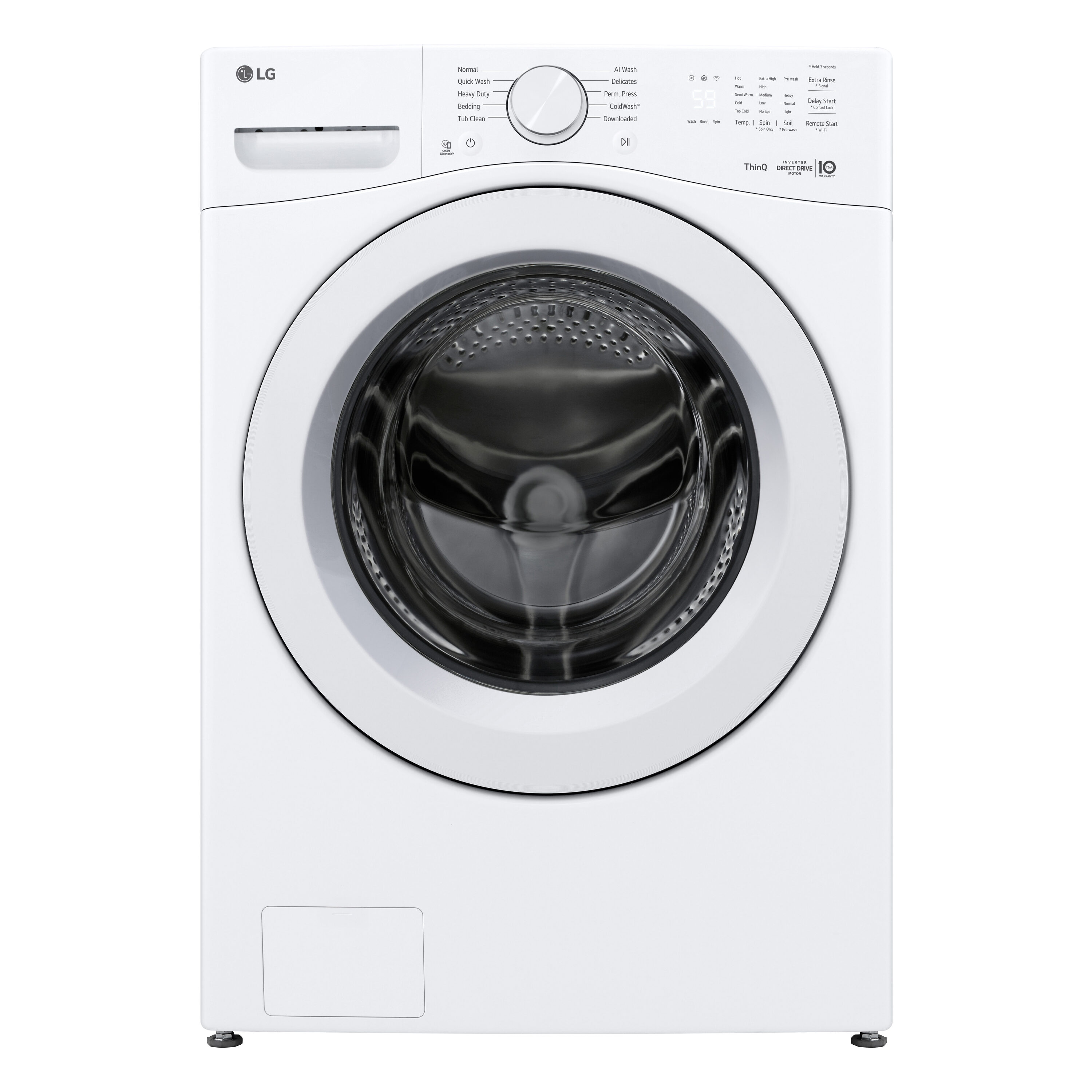
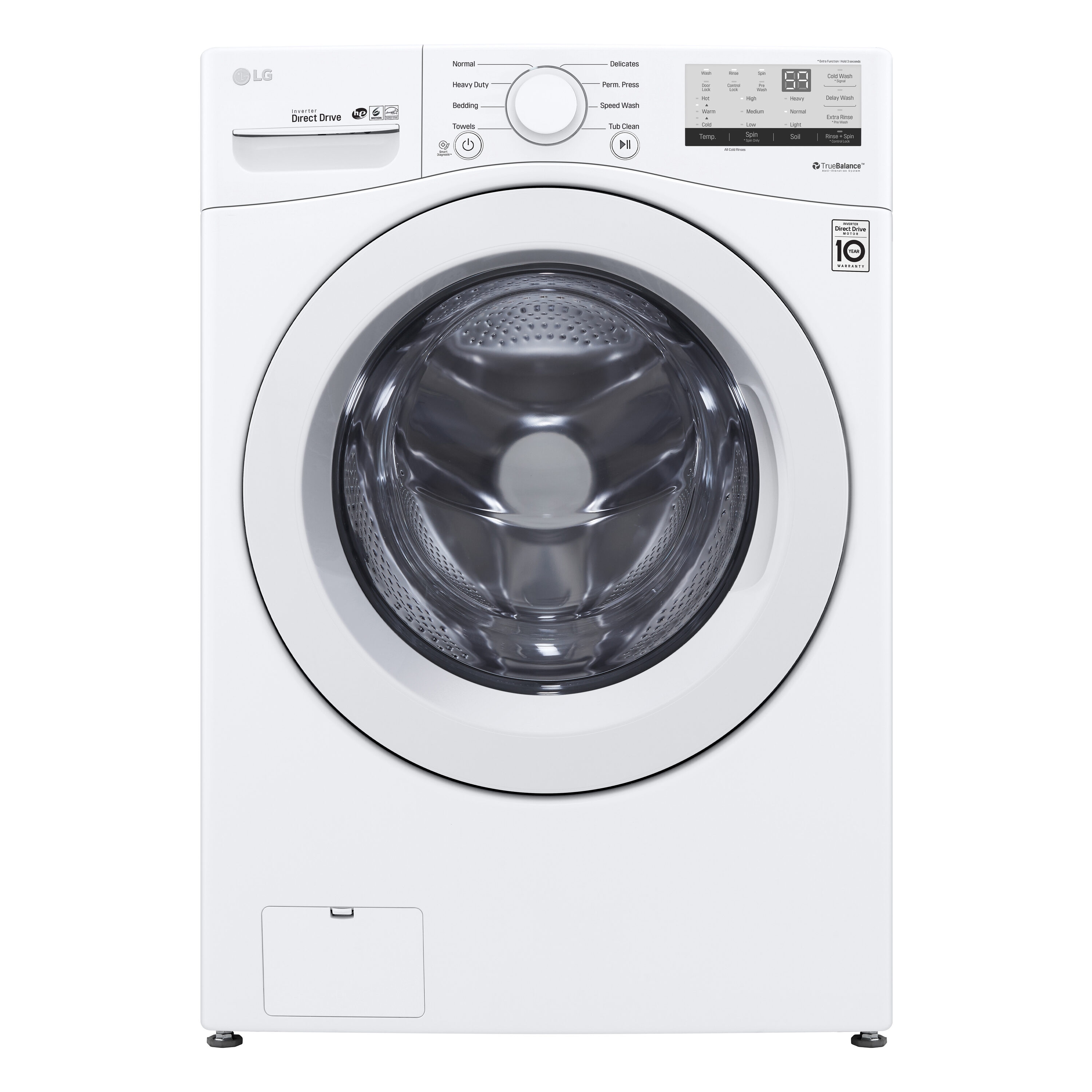
LG's front-loads hang the drum on a direct-drive motor, no belt, fewer moving parts, backed by a 10-year motor warranty, with a control architecture that's been refined on basically the same platform for over a decade. Fewer boards, mature design, and parts that arrive fast. And credit where due on the honesty front: older LG front-loads had a real drain pump weakness, and LG actually fixed it. The current-generation pumps hold up dramatically better in my logs. That's what you want from a brand: boring, steady improvement on the same platform instead of a redesign every three years that resets the bug clock.
If you own a GE front-load acting up
Fair is fair
This is a front-load architecture story, not a GE takedown. GE's refrigerators and ranges sit at the top of my picks, and their top-load washers are solid. It's also not LG worship: their machines demand you leave the door cracked between loads and wipe the gasket, or you'll grow the same mildew every front-loader grows. Every design has a tax. I just prefer the tax you pay in maintenance habits over the tax you pay in circuit boards.
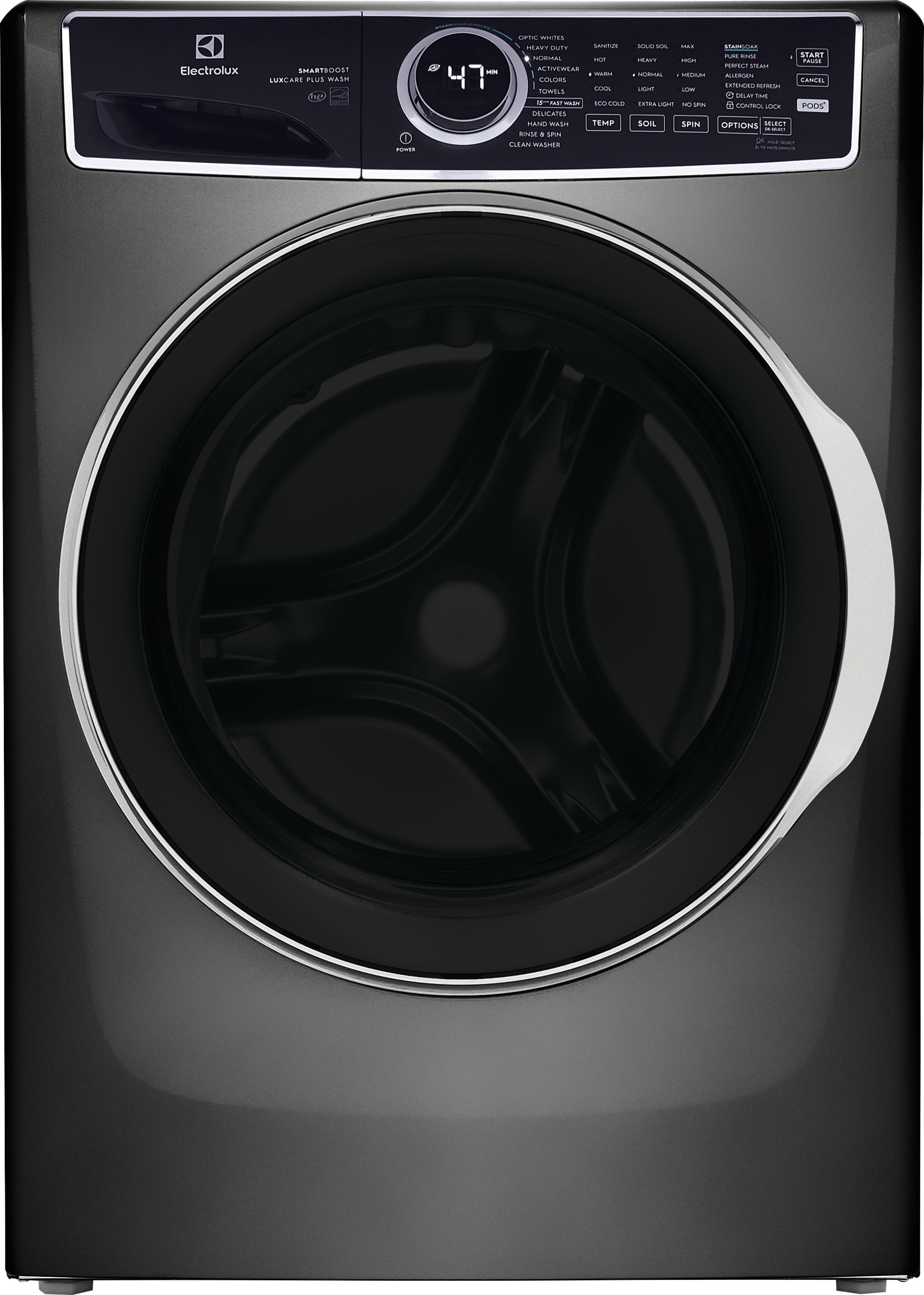
The front-loaders I'd actually buy
From my repair calls, on video
The same advice, straight from the service van:
Avoid these washers, watch on TikTok
Follow @appliancepickupnow for daily appliance truth →
See every washer I recommend, ranked →GE GFW550/GFW650 owner troubleshooting: inverter board, drain, and cycle-interruption cases · case 1 · case 2 · case 3
LG 10-year Direct Drive motor limited warranty · LG warranty documentation
Yale Appliance service-call reliability data · blog.yaleappliance.com
And 15 years of service logs on all of the above.