Nobody walks into the store thinking about where the icemaker lives. Then two years later they're paying me $150 to steam an ice dam out of a door. Here's the ranking I give my own customers, worst to first in repair frequency.
1st place: icemaker in the freezer, water inside
This is the setup trending back for a reason. The icemaker sits where ice wants to live, in below-freezing air, so nothing melts, refreezes, or dams up. Water comes from an internal dispenser or autofill pitcher, so there's no chilled water line running through a door. One water valve, one icemaker, zero door plumbing. These are the fridges I basically never visit for ice problems. If you can live without pressing a glass against the door, this is the one.
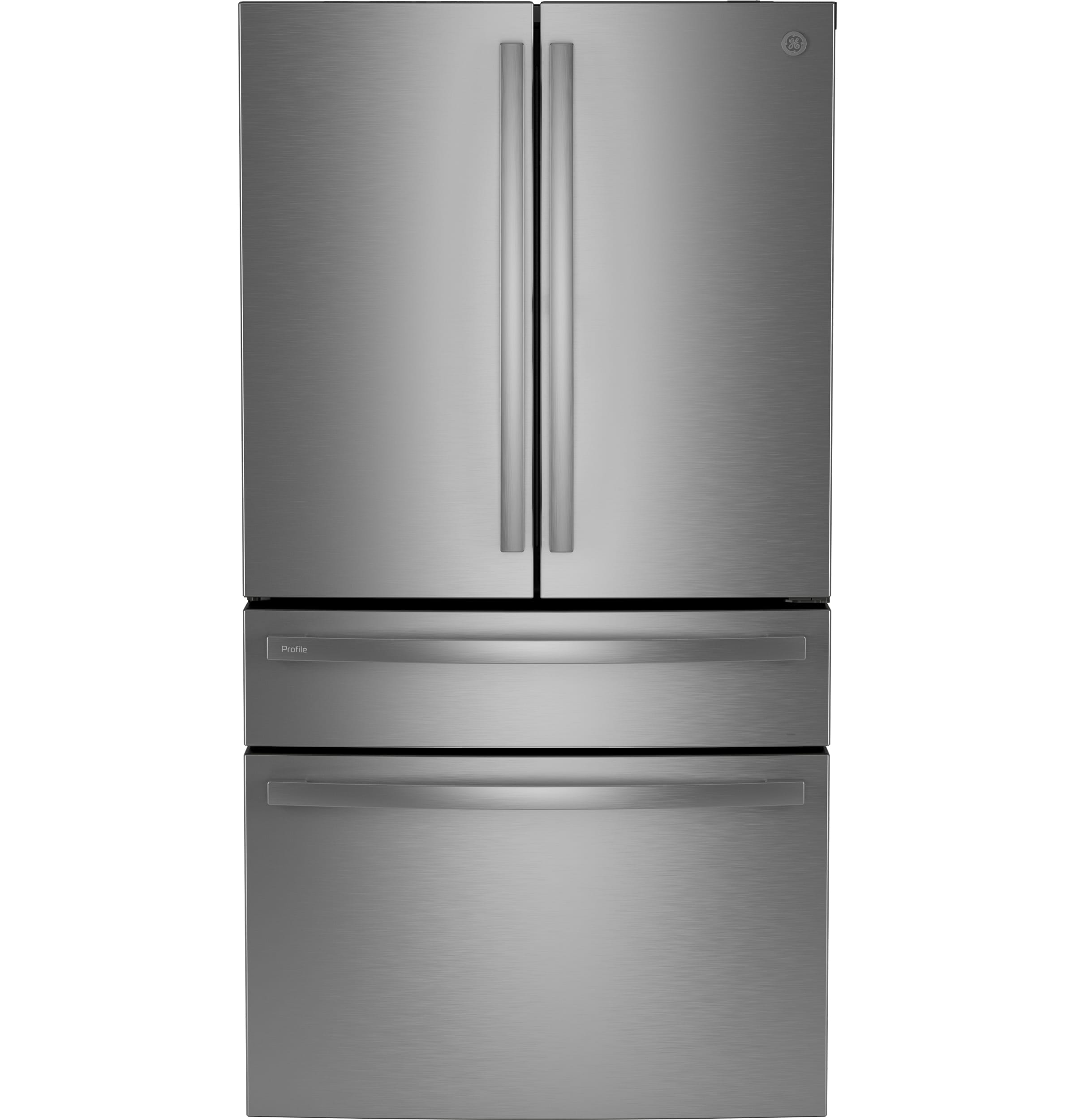
2nd place: ice and water through the door (the right way)
Door dispensers get a bad rap they only half deserve. On a side-by-side, the dispenser is cut into the freezer door, so the icemaker and the chute stay in freezing air the whole way down. That layout has been refined for 40 years and it holds up. The parts that do fail (dispenser flap, auger motor) are cheap and easy to swap. If your family drinks crushed ice all day, buy this layout without guilt.
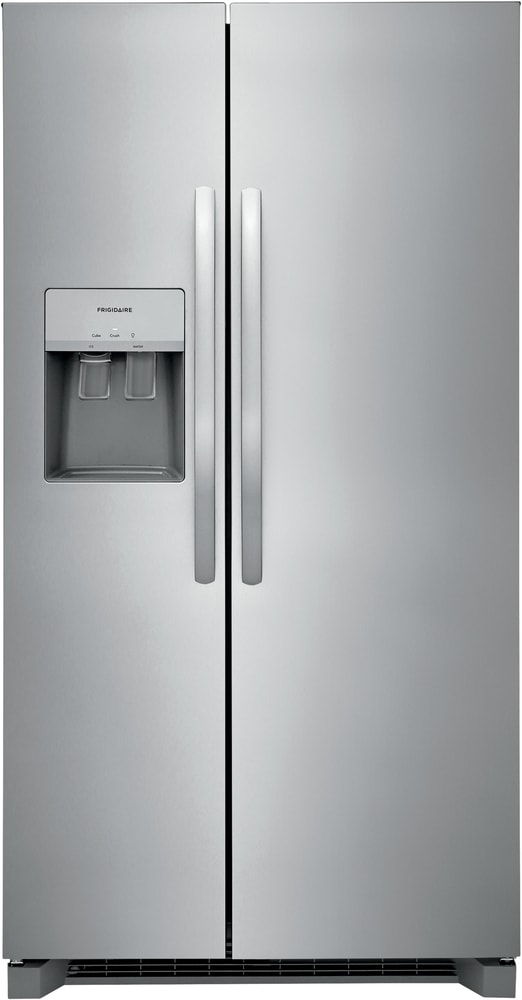
Last place: the icemaker in the fresh-food compartment
To put ice and water in the door of a french-door fridge, manufacturers moved the icemaker up into the refrigerator section, a little insulated box trying to stay below freezing while surrounded by 37-degree air. When the sealing around that box is less than perfect, warm humid air sneaks in, condenses, and freezes into an ice dam that blocks the fill tube and kills ice production. Samsung french doors built from roughly 2014 to 2021 made this failure famous: frozen-over icemakers, leaks, slush, fan noise, and repair after repair that never sticks, litigated for years. I defrost these with a steamer, tell the owner it'll be back in six months, and I'm right. It isn't only Samsung; any brand's fresh-food icemaker fights physics for a living. Some are sealed better than others, but when a customer asks what to avoid, this is the design, not a logo.
Finger icemakers beat twist trays
One more layer most buyers never hear about: how the icemaker itself makes ice. The classic finger-style unit freezes cubes in a metal mold, warms the mold slightly, and sweeps the cubes out with ejector fingers. It's the design that's been making ice since your grandmother's Kenmore, and parts are everywhere. The cheaper twist tray flexes a plastic tray to crack cubes loose, and its failure modes are so well known that appliance makers list them in their own patent filings: mineral scale makes cubes stick, refill water overflows and freezes the bucket into one solid block, and the plastic tray itself cracks. When a spec sheet or the unit itself shows a flexible plastic tray, that's the budget icemaker. Fine in a garage freezer, not what you want as the daily ice supply in a $2,000 fridge.


The cheat sheet
Samsung french-door icemaker defect suits, frozen fill tubes and leaks · ClassAction.org
Affected build years and symptom list (2014-2021) · EasyBear Appliance
How finger-style (heated mold + ejector) icemakers work · Sears Home Services
Twist-tray failure modes documented in the industry's own patent background · US Patent App. 2012/0023996
And a steamer I've aimed at more frozen fresh-food icemakers than I can count.
From my repair calls, on video
The same advice, straight from the service van:
Fridge ice makers: the truth, watch on TikTok
Follow @appliancepickupnow for daily appliance truth →
See every fridge I recommend, ranked →2020 linear compressor class-action settlement (10-yr parts / 5-yr labor) · Consumer Reports
Lawsuit scope, ~1.6M fridges, 2014-2017 builds · Top Class Actions
Piston-seal failure mode explained · bozmanfix.com
Yale Appliance service data: ~1.2% compressor replacement rate 2018-2024 · Yale Appliance
Current models list Smart Inverter, not linear · retailer Q&A · single-evap confirmation via spec-sheet Q&A
Smart inverter vs linear architecture · autorivet.com
And a lot of dead linear compressors in the back of my van.